


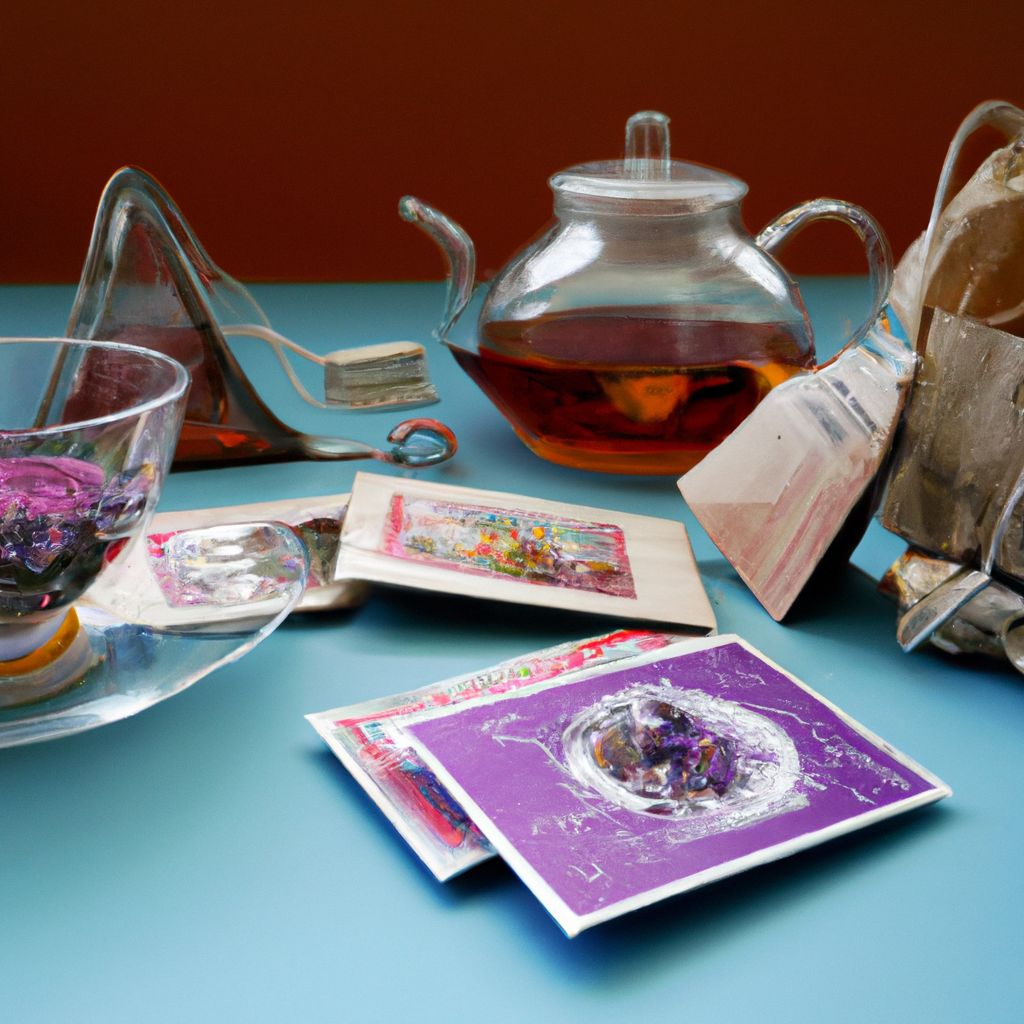
Time for Tea! A cup of tea has been a source of comfort and relaxation for centuries; with brewing and brewing methods evolving over time from Britain to Japan and beyond, tea now has a global cultural significance. From the revered tea ceremonies of East Asia, to the tradition of British Afternoon Tea, the art of tea has interwoven itself into societies all around the world. This article explores the fascinating evolution of tea culture from its earliest days to the present.
1. An Ode to Tea: An Exploration of Tea Culture
We all know the comfort of a warm cup of tea in the morning. It’s an integral part of everyday life, from bustling café queues to end-of-day relaxing rituals. Tea has been a much-loved beverage for centuries, and this article will explore the fascinating culture and history of tea drinking.
A Brief History of Tea
Tea has been present in Chinese culture since as early as the 10th century BC. Its popularity spread throughout Europe and North and South America over the following centuries, even undergoing its own industrial revolution in the 1700s. By the 1800s, it was a beloved daily ritual in English culture and beyond.
But the culture of tea goes far beyond a history lesson – the taste of tea has been the vital point of connection between nations, nations, epochs, and cultures. A sip of tea is so much more than just the liquid itself; it is the combination of flavour, aroma, memories, and feelings.
- In England, tea is accompanied by rich traditions such as high tea and afternoon tea.
- In Russia, there are many special occasions that are celebrated with tea, such as New Year’s Day, birthdays, and baptisms.
- In Japan, the tea ceremony is used to celebrate special guests or occasions, to mark the new season, or to simply appreciate the beauty of the moment.
The flavour of tea is also the subject of much debate and has become a way to express cultural identity. From the strong, fragrant Assam tea of India, to the sweet, nutty tones of the Japanese matcha tea, tea leaves are much more than just a beverage.
2. The Timeless Appeal of English Afternoon Tea
The warm, inviting atmosphere of the English afternoon tea is something that never goes out of fashion. Thanks to its unique ability to provide a luxurious yet homey feeling, afternoon tea has been a regular occurrence in British households since the 19th century – and for a good reason.
What makes afternoon tea so appealing is its sense of familiarity. Afternoon tea provides the perfect opportunity to take a time out – the kind of time out that allows you to slowly savour the delightful flavours of the food offered. The traditional accompaniments to an afternoon tea such as sandwiches, scones with clotted cream, and miniature cakes are just as popular now as they ever were.
But what really adds to an afternoon tea experience is the tradition of delicate teapots and teacups. This is the time to select an exquisite blend for that perfect cup of tea, something that is sure to tantalise the taste buds. Many families already have their own favourite cuppa, and there’s something quite special in making pots of tea using a family recipe from generations past.
At the end of the day, the ingredients for the perfect afternoon tea are simple:
- A comfortable environment and good company
- Lovely tea and food
- Warm conversations and heartfelt laughter
It’s no surprise that even after centuries, English afternoon tea continues to remain a timeless tradition, cherished by many all across the world.
3. Adapting Ancient Traditions: Tea Culture in Asia
Tea culture has a long and fascinating history in Asia. Its beginnings trace back thousands of years, giving rise to a plethora of traditions and practices. Today, tea is revered for its ritualistic and cultural importance, with varied styles of brewing, preparation, and consumption.
- The practice of brewing tea from crushed leaves (as opposed to whole leaves) is believed to have originated in China, where tea is considered an art form.
- In Japan, tea ceremonies, called chanoyu, are very important and signify harmony, respect, and the appreciation of beauty, as they exist in an environment free from social conventions.
- In Korea, the traditional method of making tea is a labor-intensive practice called sansuk nokcha, which involves steaming green tea leaves, pounding them, rolling them into balls, and steaming them again.
- In India, tea is part of the spiritual and religious traditions of Hinduism and Buddhism, and yogis have long used tea as a way to meditate and focus.
Today, tea culture in Asia is a diverse, ever-changing practice. While some customs and traditions remain consistent, intentional innovation and adaptation has pushed the boundaries of how tea is experienced in the region. For example, ranges of sparkling teas, cold brews, and tea-infused foods have emerged. This evolution of tea culture is sure to continue as the demand for interesting, novel, and creative ways to experience tea grows.
4. The Path to Enlightenment: Tea Ceremonies in Japan
Tea ceremonies are a big part of Japanese culture, and a terrific way to learn to appreciate the subtle beauty of everyday life. Tea ceremony requires patience and skill, which makes it a perfect path to enlightenment.
The physical act of a Japanese tea ceremony is filled with an abundance of ritual and symbolism. From the way the host prepares and serves the tea, to the utensils and tea bowls used, to the participants’ positioning and actions, each step of the ceremony is steeped in rich traditions.
The tea ceremony in Japan is not just about the physical aspects though. Itʼs about learning to be aware of the moment, to appreciate the sacred, and to develop mindfulness through the Zen-like experience of tea drinking. When all these elements are woven together the experience is truly delectable.
- Chaji: A formal tea gathering that lasts for at least four hours
- Chakai: A more casual gathering to enjoy tea in a simpler setting.
The tea ceremony has been practiced for well over 500 years, since the time when tea was first brought to Japan from China. It still continues today as many people still consider it an important part of their culture.
5. Exploring the Healthy Benefits of Tea Consumption
Tea has been around for centuries, and it’s no wonder why. The beverage has been praised for its many healthy benefits that aid in the body’s overall wellbeing. Here is a deeper dive into a few of the most prominent healthy benefits of tea consumption.
Aids in Digestion
It’s no secret that inflammation in the gut can lead to issues later in life. Tea is prebiotic, meaning that it nourishes the good bacteria in the gut, allowing the body to break down food in a healthy way. Specifically, the polyphenols found in green tea can help reduce inflammatory molecules in the gut, allowing for a healthier digestive process.
Helps Manage Weight
Another bonus of drinking tea is that it can help manage one’s weight. The combination of caffeine and catechins found in tea can help boost metabolism and reduce body fat; however, this doesn’t mean people should ditch the gym altogether. Tea can be an aid in weight management, but that shouldn’t be the only strategy!
Boosts Immune System and Skin Health
Finally, tea can aid in the body’s own defense system. The antioxidants found in tea can help fight off any viruses or bacteria one encounters, as well as help protect cells from oxidative damage. Moreover, tea is full of Vitamins B, C, and E that can help promote healthy skin. The perfect solution to add to your daily routine.
The Choice is Yours
Tea truly carries a plethora of health benefits, but with varying teas comes varying effects. Factors such as taste and lifestyle should weigh into one’s tea choice. Before making your tea pick, consider the following options:
- Green Tea – Filled with the antioxidants catechins and polyphenols
- White Tea – More mild than green tea with an earthy flavor and a caffeine boost
- Black Tea – Contains the most caffeine out of all of the options and plenty of flavonoids
- Herbal Teas – Caffeine free, but packed with vitamins and minerals
So, when enjoying your morning cup of tea, be sure to revel in the knowledge that it also could be doing wonders for your own health and wellbeing.
Whether you’re English or Chinese, or somewhere in between, tea culture has something special to offer for everyone passionate about this age-old beverage. Thanks to its versatile and varied origin, tea has become a truly transcendent and universal experience. With its therapeutic benefits and restorative powers, tea truly is the drink of life.